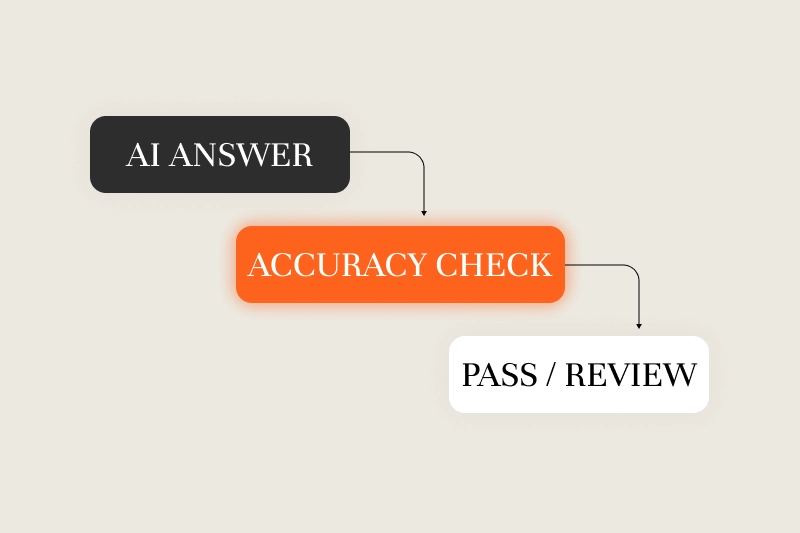
Budget season opens in September. The line items that belong in a credit union technology budget for 2027, where each books, and what to cut to fund them.
88% of financial institutions expect to raise technology budgets within two years, up from 76%.
The NCUA 5300 has no technology line, so every credit union builds its own.
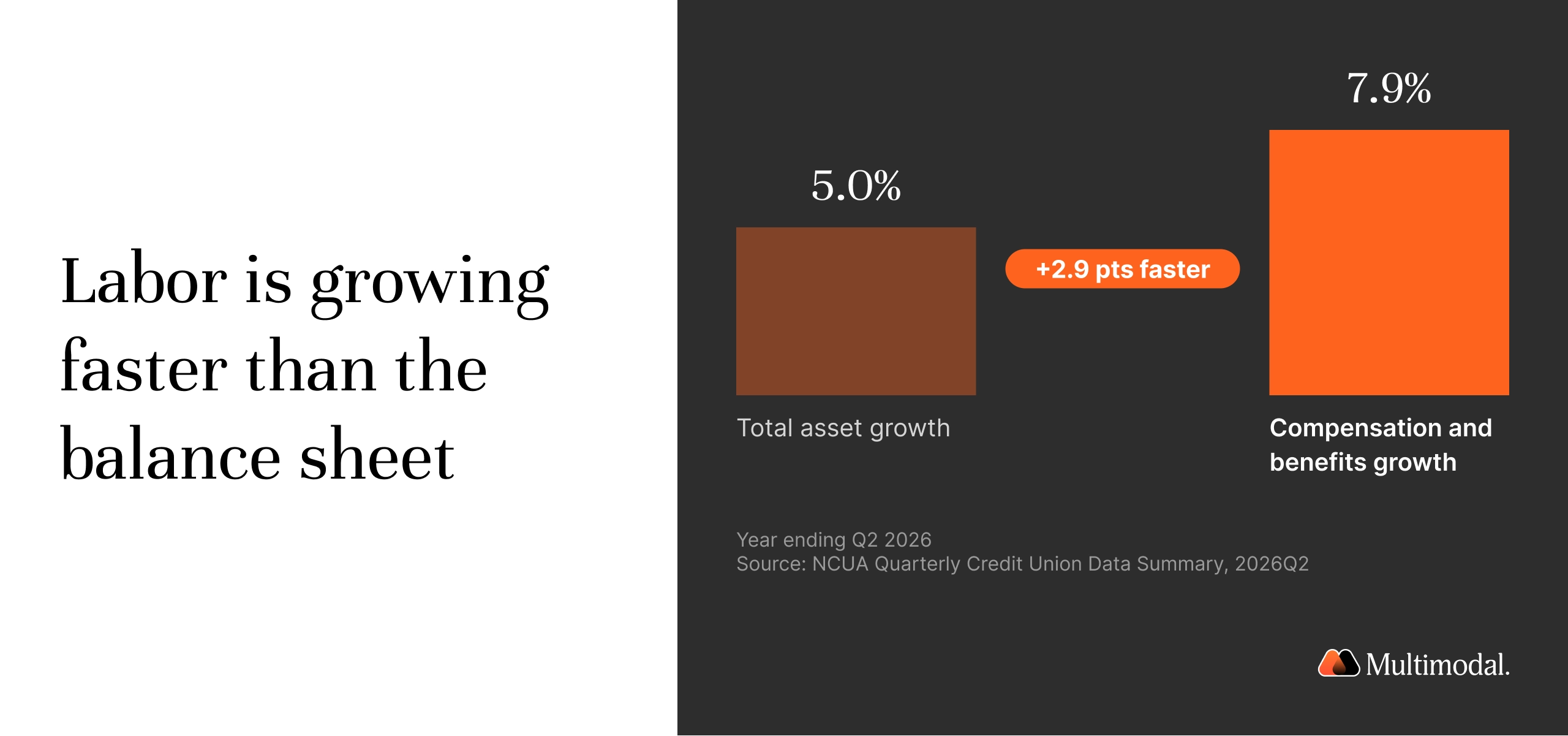
Compensation grew 7.9% against 5.0% asset growth, so size the AI line against labor.
AI consumption is the one variable line and needs a named owner before January.
Underused subscriptions, overlapping tools, and expiring contracts are the first places to find funding.
Get 1% smarter about AI in financial services every week.
Receive weekly micro lessons on agentic AI, our company updates, and tips from our team right in your inbox. Unsubscribe anytime.
Thank you! Your submission has been received!
Oops! Something went wrong while submitting the form.
A credit union technology budget for 2027 is the set of line items that cover core and digital banking platform run costs, point solutions, new AI consumption spend, the data and security work beneath them, and the staff time to implement them. Most credit unions rebuild that list every year, because the 5300 call report has no technology line to copy. This post walks the budget process: the line items, where each one books, the sequence to run, and what to cut to pay for it.
Why Is the 2027 Technology Budget Different?
Budget season opens with a squeeze. Business leaders are raising technology spending into an expense base that already grows faster than the balance sheet. Eighty-eight percent of financial institutions expect to raise technology budgets within two years, up from 76%, and AI now leads planned investment at 48%, ahead of digital banking at 38%. Non-interest expense reached $77.8 billion annualized in Q2 2026, up 7.4%, and compensation grew 7.9% against 5.0% asset growth.
As with most companies, credit unions buy platforms once and run them for a decade. Constant changes and market changes now add pressure, and future budgets must carry a line expected to rise and fall with demand, one finance teams have rarely forecast. Member expectations add their own pressure: digital-first experiences are now the baseline, a clunky journey raises abandonment, and delaying the investment risks losing members to a competitor that moved first.
What Line Items Belong in a 2027 Credit Union Technology Budget?
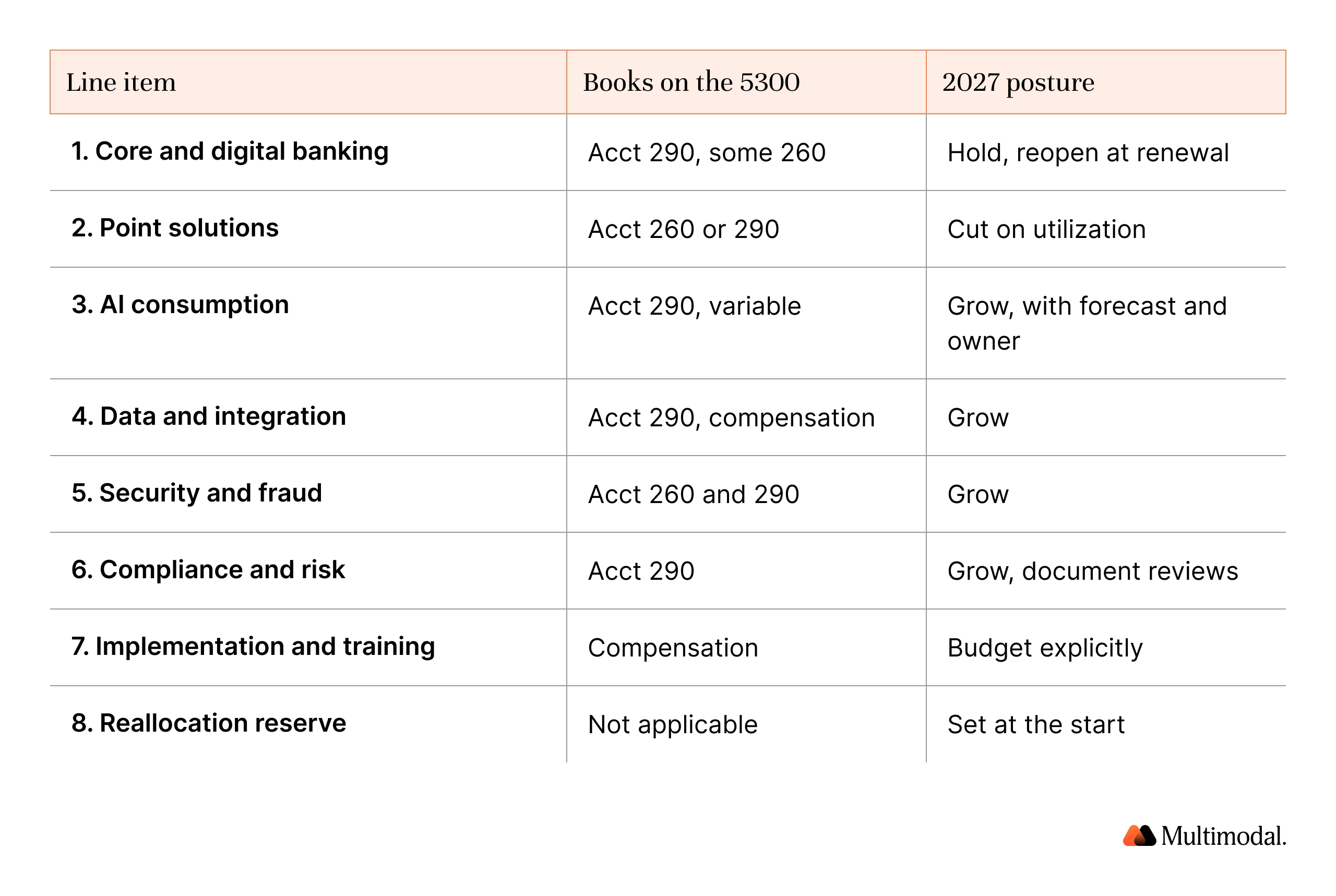
The 5300 has no technology account, so spend reaches the financial statements as blended expense in Office Operations (Account 260, including in-house EDP cost) and Professional and Outside Services (Account 290, including outside EDP servicing). Together, they form a ceiling on technology spend, not a technology benchmark, since NCUA does not publish the two accounts as a combined figure. In a Multimodal survey of ten credit union leaders, all above $1 billion in assets, nine fold AI into a broader technology line.
1. Core and digital banking platform run cost
Multi-year contracts, mostly fixed. Record every renewal date.
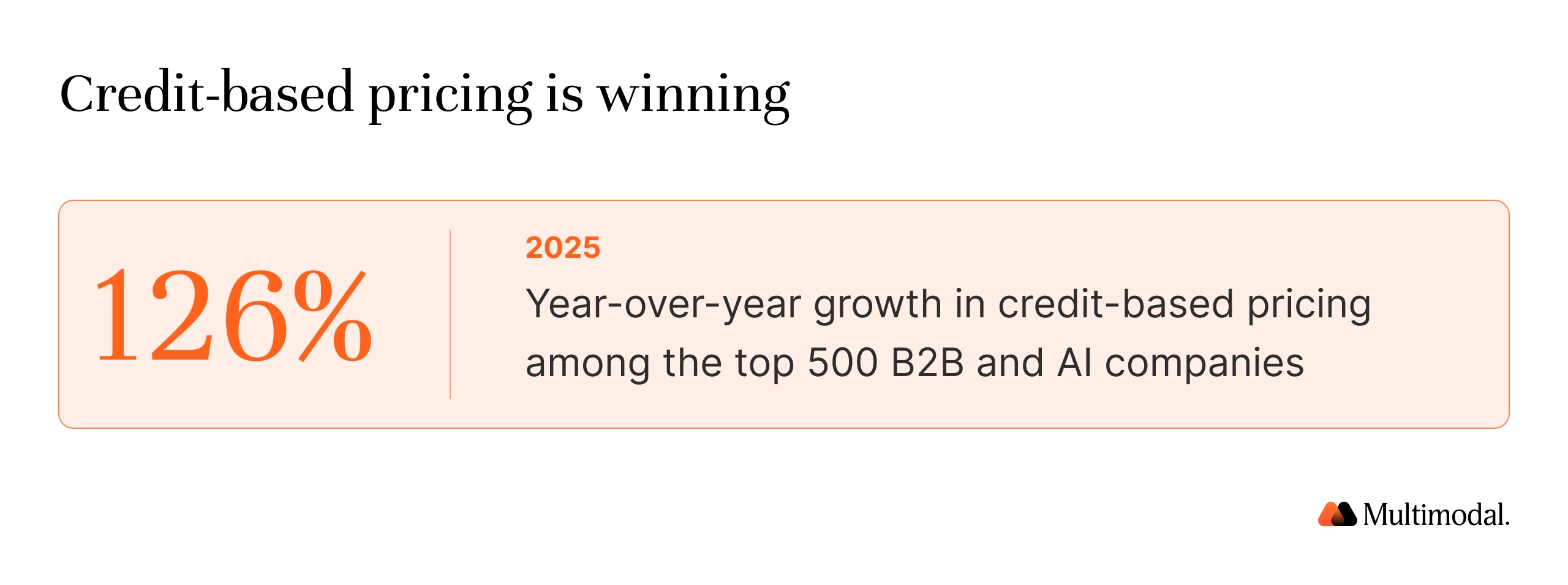
The only variable line. AI tools often price on consumption, so an automation workflow on AgentFlow costs what its file count says. Forecast monthly volume, define an owner for clarity and cost control, and read how credit unions price AI. Credit-based pricing is the industry’s fastest-growing model: among the top 500 B2B and AI companies, credit-based pricing grew 126% year over year in 2025.
4. Data and integration
Choose modular systems that layer on top of the existing core. Allocate funds for open APIs so specialized fintech tools can integrate without a core replacement, and prioritize real-time data access across departments to give staff a fuller view of the member relationship. See what’s already on the market.
5. Security, fraud and resilience
About half of credit unions saw higher fraud losses in 2025. Fund monitoring of transactions and continuity testing against fraud risks. Treat cybersecurity as a continuing program, not a one-time project, with a minimum investment floor and continuous monitoring; advisory guidance for financial services points to 10% to 15% of the technology budget.
6. Compliance, audit and third-party risk
Letter 26-CU-01names no AI priority, and the vendor guidance, Letter 07-CU-13, dates from December 2007. Budget a documented review for risk reduction, including Colorado's narrowed AI Act, effective January 1, 2027, and no line for a mandate that does not exist. Run any new AI vendor through the same due diligence questions.
7. Implementation, change management and training
Break down the total cost of ownership into licensing, implementation, data migration, training, and ongoing support. Most of it books as employees' time under compensation and benefits, 52.8% of non-interest expense, so budget where the hours go. The payoff is real: automating the routine work frees staff for higher-value advisory roles and member service, which is the return this line item is actually funding.
8. Reallocation reserve
Set a contingency at the start of the budget cycle so that mid-year surprises or new market opportunities do not cut net income or force cuts elsewhere.
How Much Should a Credit Union Budget for AI in 2027?
No public credit union AI budget benchmark exists, so treat any percentage of assets without a named primary source as invented. Size the line against the labor cost of the work it touches. Compensation and benefits are $41.1 billion, 52.8% of non-interest expense, or 1.64% of the industry's $2.50 trillion in assets. At $5 billion in assets, a $500,000 line is about 0.6% of that labor line.
Volume drives cost, so track dollars per file. Multimodal's 2026 research adds insights into efficiency: 55% to 70% of manual processing costs sit outside the general ledger. The full scenario table is in the AI Budget Report for Credit Unions 2026-27.
What Should You Cut or Defer to Fund It?
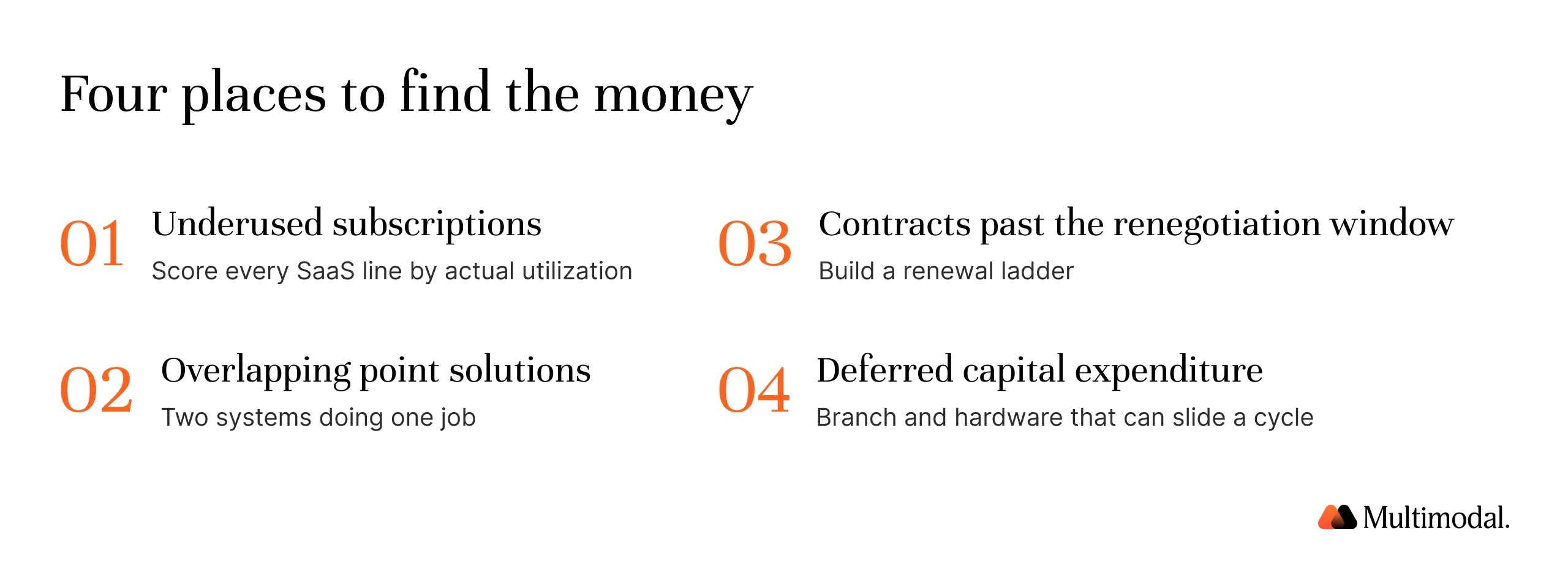
Apply zero-based budgeting to spend management: every subscription justifies its renewal. Look first at underused subscriptions, overlapping point solutions, contracts past the renegotiation window, and deferred capital expenditure such as hardware or branch work. Five of our ten surveyed leaders already fund AI partly by renegotiating vendor contracts.
"Let me go look at all my SaaS stuff and do some rating on complexity versus effort to rebuild … this boat anchor that you're spending a lot of money on that you only use 10% of the value and they're difficult to work with. Great. Just get rid of that." — Kirk Drake, Founder and CEO, CU 2.0
Utilization is the fastest test of any subscription. Hear how ten credit union leaders are pressure-testing their AI vendors before they budget.
When Should You Start? Working Back From Board Approval
Do not pick a month. The NCUA Examiner's Guide says the board reviews and approves the business plan, including a budget, for consistency with the strategic plan, so anchor to your board approval date and achieve sign-off on time. If you need the board-level case built out further, start from the board-ready AI business case.
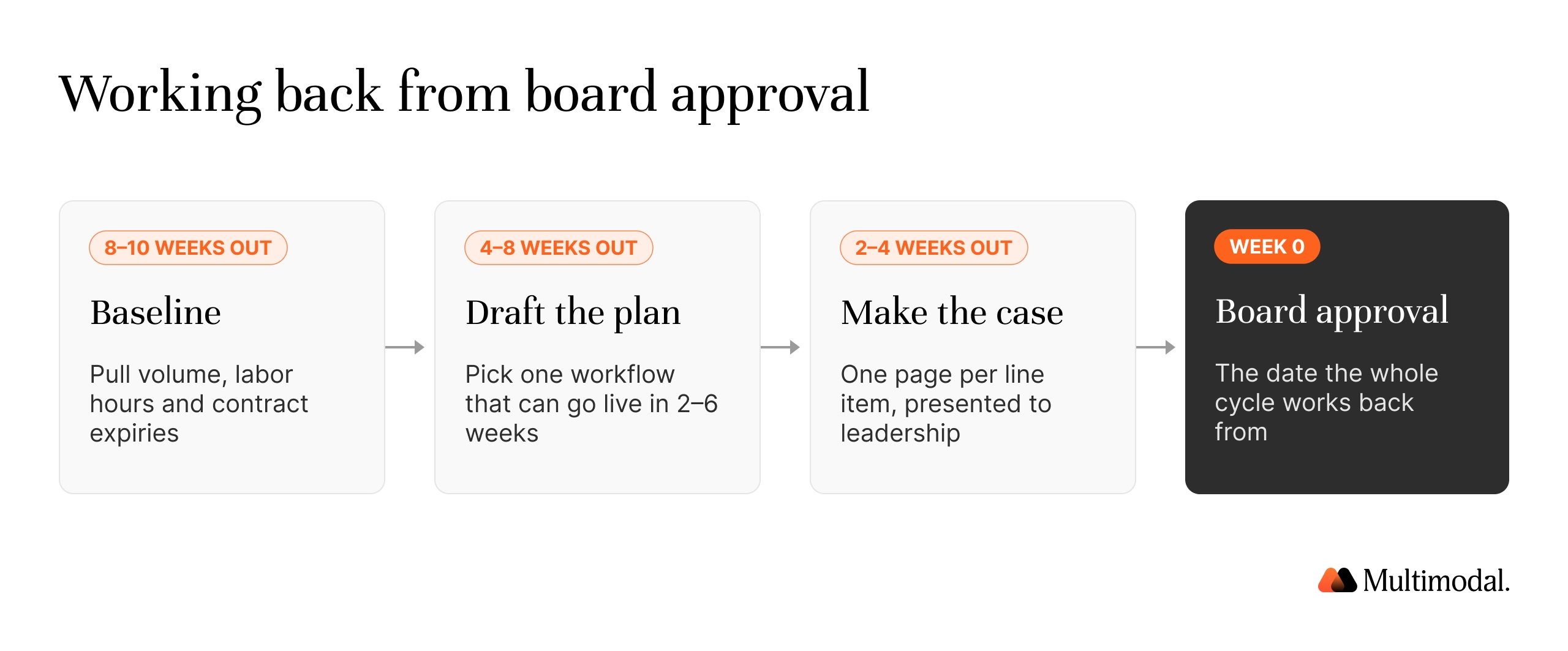
Eight to ten weeks out, begin budget planning with baseline data: volume, labor hours and contract expiries inside eighteen months. Four to eight weeks out, draft the plan and pick one workflow that can go live in two to six weeks. Two to four weeks out, create and present one page per line item, tied to business objectives, to leadership. Planning software or a spreadsheet works if the dates hold. After approval, review the latest forecast every quarter to track progress.
Five Ways the 2027 Technology Budget Goes Wrong
1. Budgeting the license only. Implementation and training land on staff.
2. No owner for the variable line. AI-driven tools overrun unnoticed until the third quarter. Naming clear governance prevents this.
3. No volume forecast. A cost that tracks files needs a file forecast.
4. Reading the 5300 as a technology benchmark. It is a ceiling.
5. No merger clause. With 4,214 credit unions, 156 fewer than a year ago, contracts should survive a change in asset size.
"Is there someone actually accountable for driving this? In many organizations, it's just one more thing that gets lumped onto maybe the CIO or the CTO." — Erik Librader, Client Partner, Vistrada
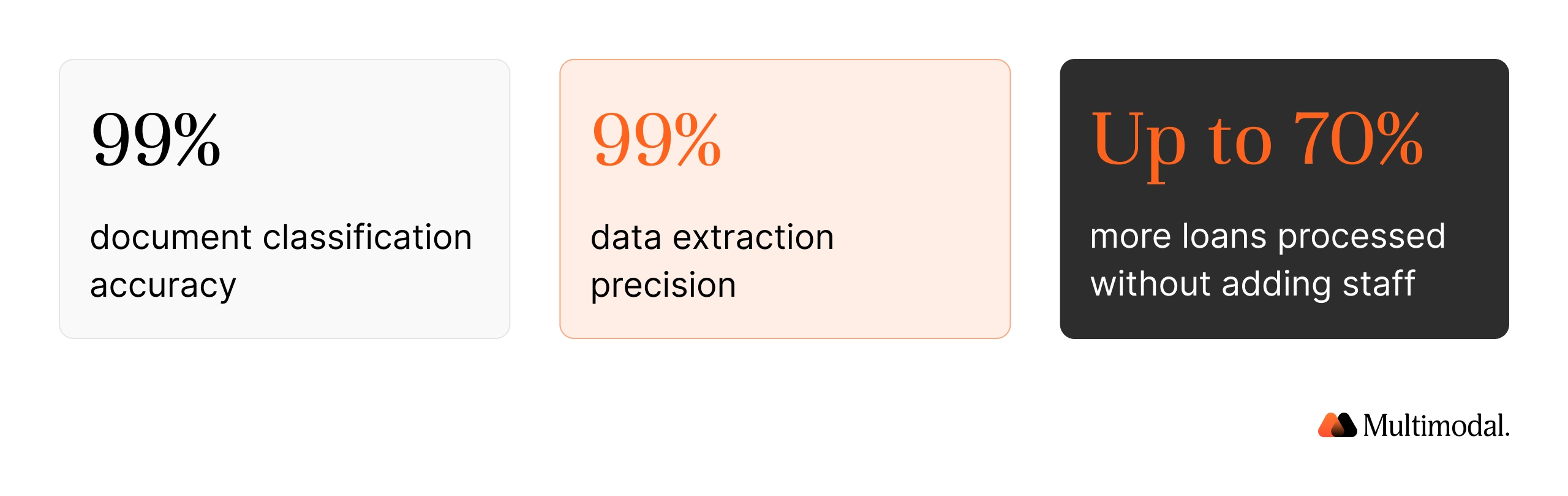
FORUM Credit Union reached 99% document classification accuracy and 99% data extraction precision across 47-plus fields with AgentFlow.
The Budget Is Where the Strategy Becomes Real
The institutions that put AI into production in 2027 will write a real line for it, name an owner, and fund it by cutting something. Growth, revenue, and other strategic goals are aligned with the plan, and informed decisions about money, resources, and priorities are driven by data and insights. Effective allocation balances member-facing digital experience with resilient back-end infrastructure, and the credit unions that get this right measure the investment against outcomes such as member satisfaction and operational efficiency, not a feature checklist.
Download the AI Budget Report for Credit Unions 2026-27 to access the scenario table, 12 vendor questions, and survey findings. Or send us ninety days of volume for one workflow and see what that line costs at your file count.
See the Scenario Table Behind This Checklist
The AI Budget Report for Credit Unions 2026-27 includes year-one spending brackets by asset size, 10 vendor questions to ask before you sign, and what 10 credit union leaders told us about their 2027 AI line.
The line items cover platform run cost, subscriptions, AI consumption, data work, security, compliance, and implementation.
How much should a credit union budget for AI in 2027?
No public benchmark exists. Size the line based on labor costs and monthly file volume.
What percentage of operating expenses do credit unions spend on technology?
The 5300 has no technology account. NCUA does not publish Accounts 260 and 290 as a combined figure, so no public percentage exists. Treat their combined total as a ceiling, not a benchmark.
When does credit union budget season start?
Work back from board approval. Baseline data collection starts about 8 to 10 weeks earlier.
What should a credit union cut to fund new technology?
Underused subscriptions, overlapping point solutions, contracts past renegotiation, and deferred hardware or branch spending.
Is agentic AI a capital project or an operating expense?
Usually operating and variable, because cost tracks document volume. Confirm the treatment with your CFO.

.svg)
.svg)

.avif)
.png)

.png)