Partnering with Filene to Facilitate the Adoption of Agentic AI in Credit Unions
Explore how Multimodal and Filene are partnering to help credit unions unlock the potential of agentic AI through the 2026 FiLab Agentic AI Discovery Test.
Multimodal joins Filene’s 2026 FiLab to support agentic AI implementation in credit unions.
The program delivers hands-on POCs in key operational areas.
Credit unions gain education and sandbox demos without core integration.
The approach provides vendor-agnostic roadmaps and best practices.
Get 1% smarter about AI in financial services every week.
Receive weekly micro lessons on agentic AI, our company updates, and tips from our team right in your inbox. Unsubscribe anytime.
Thank you! Your submission has been received!
Oops! Something went wrong while submitting the form.
Credit unions are facing mounting pressures to modernize their operations without sacrificing the personalized service that their members expect. With rising operational costs and an increasingly complex regulatory environment, the need for innovative solutions has never been more urgent.
We are honored to be chosen as a partner to help credit unions navigate this change through Filene’s 2026 FiLab Agentic AI Discovery Test.
Through this collaboration, we'll work alongside Filene Research Institute and a cohort of forward-thinking credit unions to explore the transformative potential of agentic AI.
Our role is to support Filene's research objectives by serving as both an education and a build partner, helping credit unions gain a practical, hands-on understanding of how agentic AI can improve member interactions and streamline operational workflows.
What is Agentic AI?
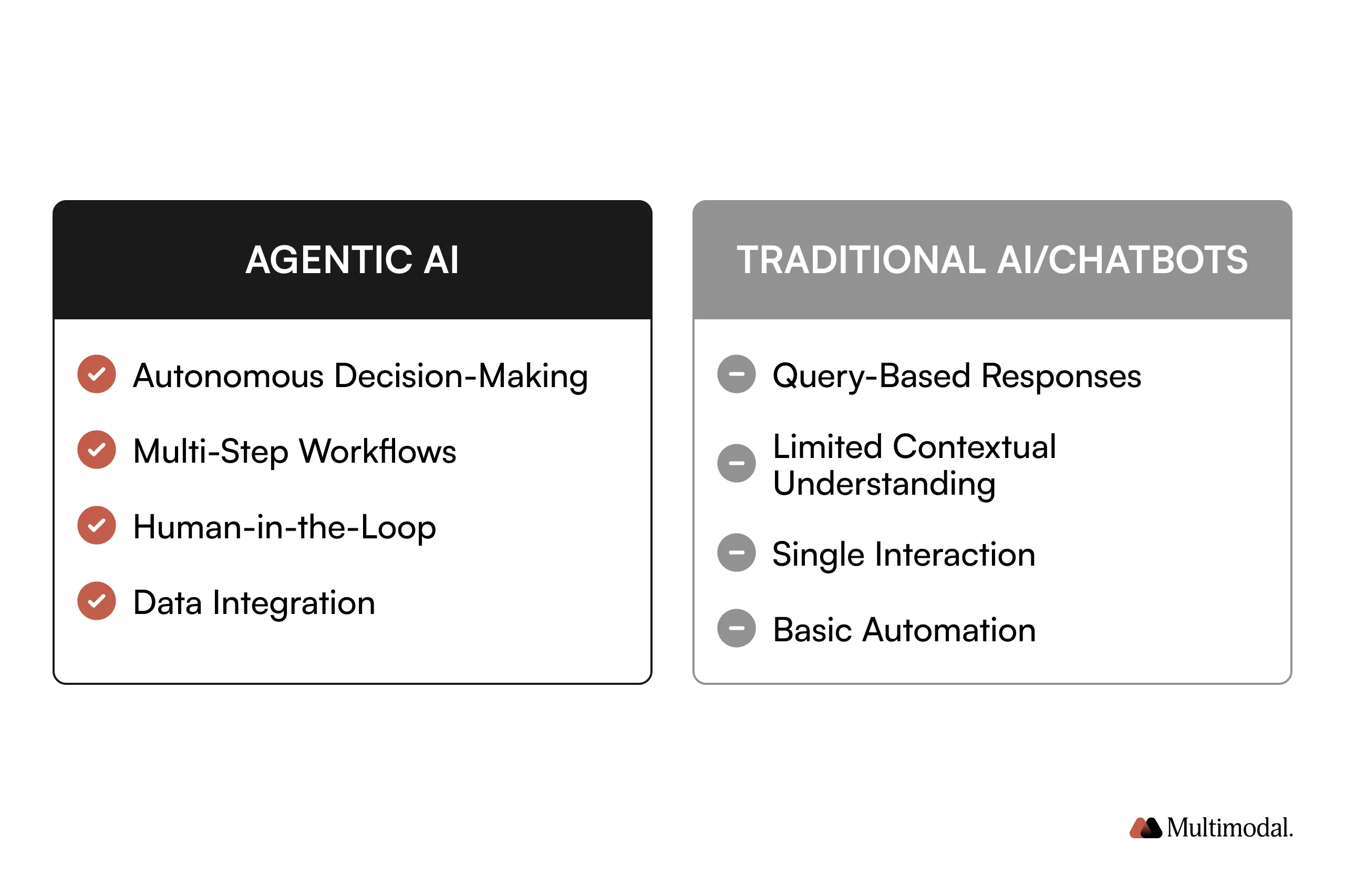
Agentic AI refers to intelligent systems capable of taking autonomous actions based on complex decision-making frameworks. For credit unions, this could mean automating multi-step workflows, from lending decisioning to member assistance cases, improving both speed and accuracy while reducing manual effort and human error.
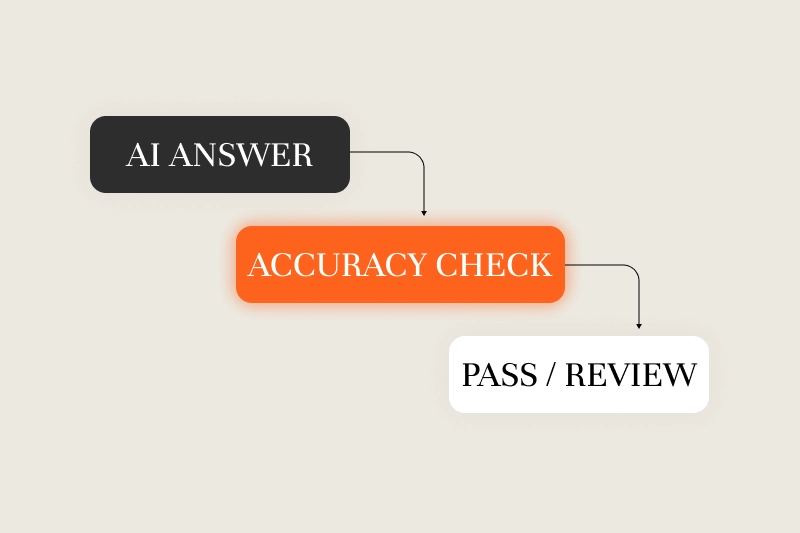
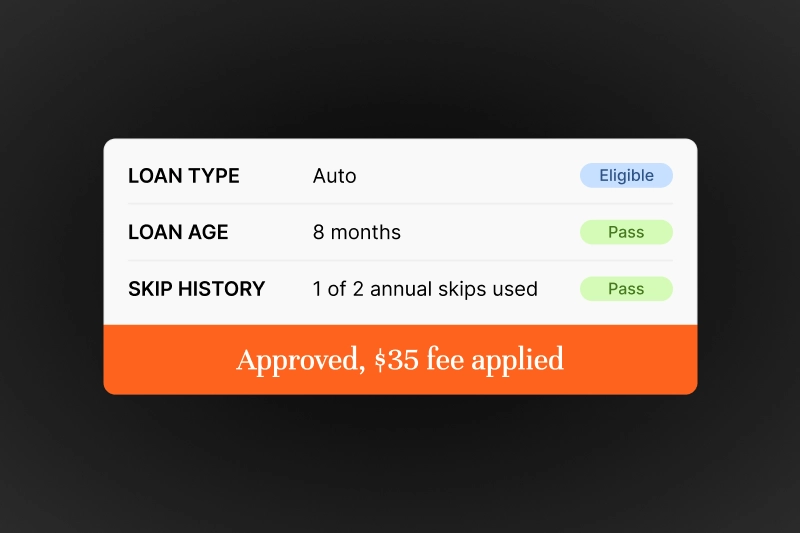
While a chatbot might answer a question about loan requirements, an agentic AI system can actually review an application, gather supplementary documentation, assess eligibility against multiple criteria, flag exceptions for human review, and prepare decision recommendations, all while keeping appropriate humans in the loop at critical junctures.
Filene's Leadership
Filene Research Institute, a renowned innovation catalyst for credit unions, is leveraging its expertise to guide the industry in exploring the potential of agentic AI.
Through FiLab, Filene's innovation incubator and testing program, credit unions can participate in structured experiments that provide real-world insights without the risk and cost of individual pilots.
Filene's goal is to ensure that credit unions not only understand emerging technologies but are also equipped to implement them in ways that deliver genuine member value.
The Collaboration: Multimodal and Filene’s Shared Vision
We're excited to play a dual role in this initiative as both education partner and build partner. Using AgentFlow, our platform for agentic AI workflows, we'll help credit unions:
Build a foundational understanding of agentic AI and how it differs from other AI technologies.
Experience concrete demonstrations through generalized proofs of concept that don't require integration with core systems.
Identify high-value use cases specific to their operational challenges.
Understand the expected impact and ROI from these use cases, including time savings, error reduction, and improved throughput.
Importantly, our work is designed to support Filene's research mission: helping credit unions develop vendor-agnostic knowledge and best practices that prepare them for production deployments, whether with Multimodal or other technology providers.
"Partnering with Filene is a critical step in helping credit unions unlock the full potential of agentic AI. Through this collaboration, we aim to provide actionable insights and real-world examples that empower credit unions to modernize their operations, enhance member experiences, and drive long-term value. At the same time, we want to enable them to make informed, strategic decisions on their AI journey." — Ankur Patel, Founder & CEO, Multimodal
Key Objectives of the FiLab Agentic AI Discovery Test
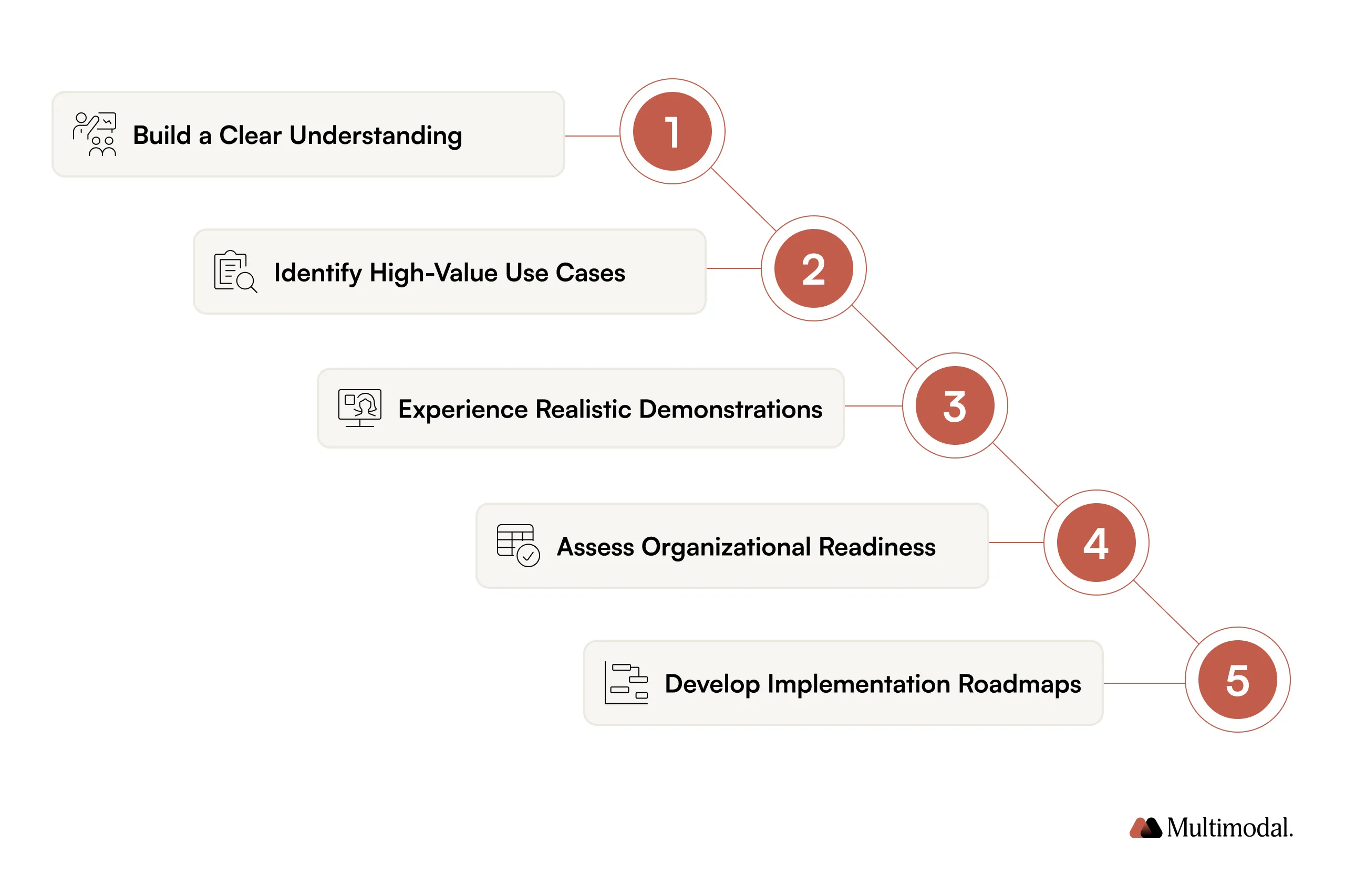
The test, running from January through July 2026, is designed to help participating credit unions achieve five key objectives.
1. Build a Clear Understanding
Develop practical comprehension of agentic AI, how it differs from traditional generative AI or chatbots, and why conversational interfaces alone are insufficient for complex financial services workflows.
2. Identify High-Value Use Cases
Explore real-world applications in critical operational areas such as account opening and onboarding, consumer lending, and member assistance workflows. Final use cases will be selected collaboratively with participating credit unions.
3. Experience Realistic Demonstrations
Interact with concrete, sandboxed proofs of concept that feel real but don't require integration with production systems. These generalized POCs will be built to reflect common credit union workflows, allowing staff to imagine implementation in their own environments.
4. Assess Organizational Readiness
Evaluate opportunities, risks, and organizational readiness considerations specific to each institution.
5. Develop Implementation Roadmaps
Create actionable roadmaps and industry best practices that prepare credit unions for informed decisions about production deployments.
Hands-On POCs and Cohort Education
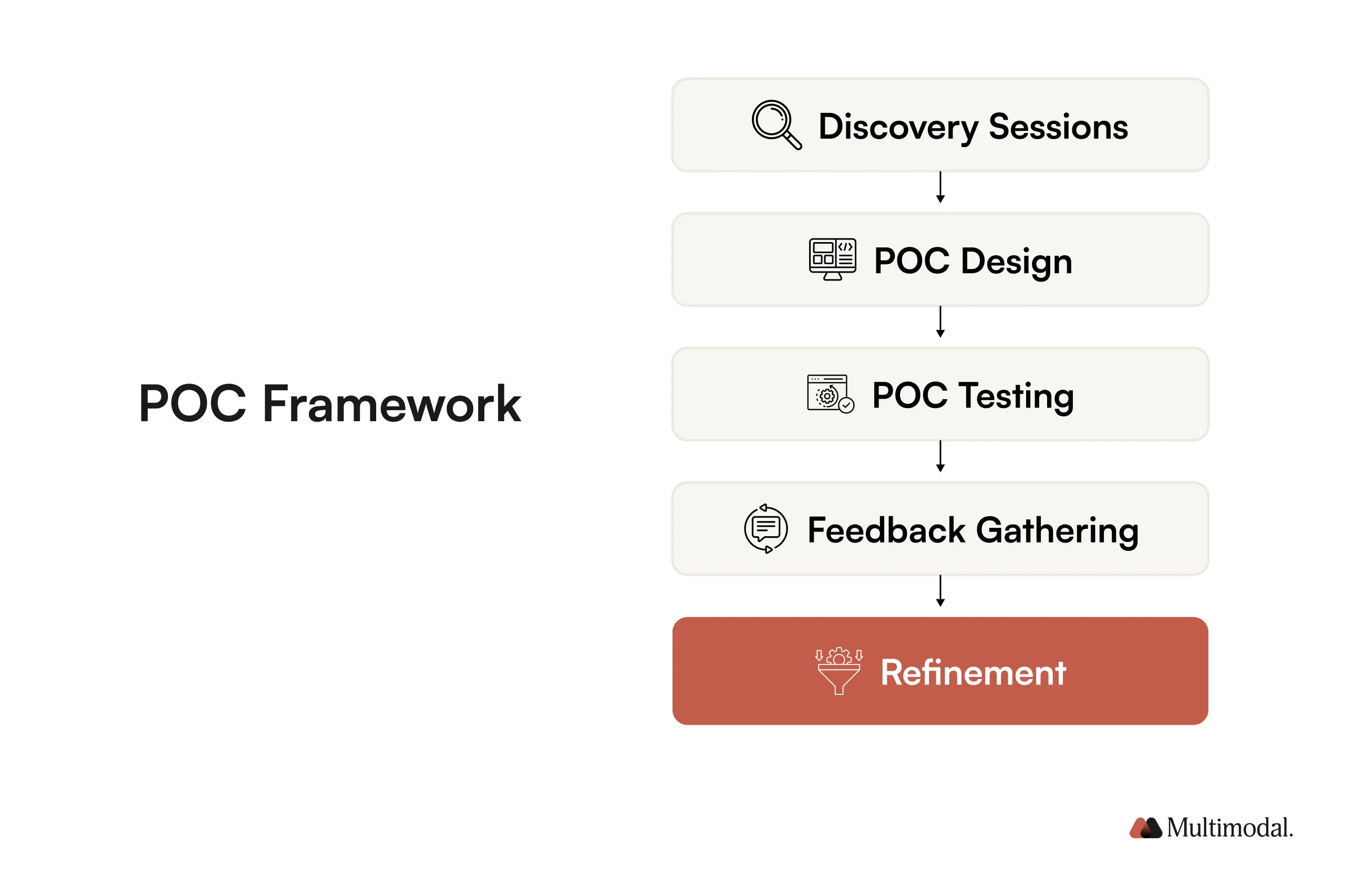
The initiative kicks off with cohort-wide webinars and educational sessions designed to create a shared baseline understanding across all participants.These sessions will cover:
The fundamentals of agentic AI and its application to credit union operations.
Concrete examples from existing credit union implementations with anonymized metrics.
Organizational change management, skills development, and governance considerations.
Risk frameworks and internal readiness factors.
Topic-Based Committee Structure
Rather than organizing by institution size, participants will join topic-based committees aligned with their areas of interest (lending, onboarding, or servicing). This structure enables:
Deeper collaboration among credit unions facing similar operational challenges.
More relevant knowledge sharing across different institutional contexts.
Focused requirements gathering and use case refinement for each POC.
Co-Designing the POCs
Working closely with each committee, we'll design three generalized POCs that include:
End-to-end agentic workflows in AgentFlow sandbox environments, using realistic documents – both anonymized samples from participants and synthetic examples.
Human-in-the-loop controls showing clear decision points for subject matter expert review and override.
Demo recordings that walk through workflows from initial member need to final decision or response.
Before-and-after process maps illustrating current manual steps versus agentic workflows.
Member-facing examples such as email templates, portal views, and staff interaction scripts.
Implementation perspectives showing how these workflows would integrate within typical credit union tech stacks.
Insight Gathering and Impact Assessment
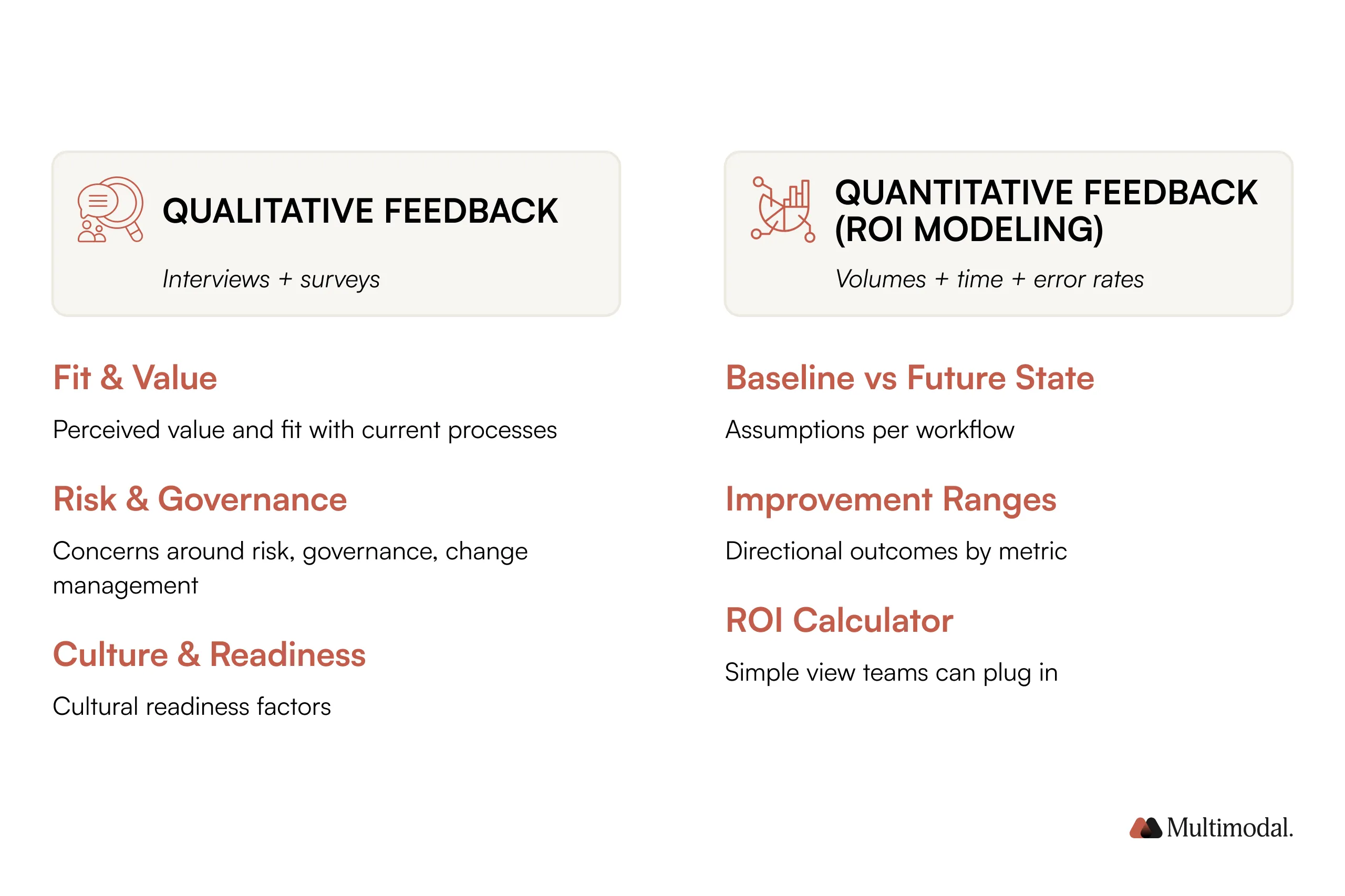
The research phase (May-June 2026) will gather both qualitative and quantitative feedback through structured surveys and interview sessions. We'll support Filene in capturing:
Cultural readiness factors
Operational prerequisites for deployment
Perceived value and fit with current processes
Concerns around risk, governance, and change management.
ROI Modeling Framework
For each POC, we'll provide an ROI modeling framework that includes:
Baseline and future-state assumptions on staff time per case, error rates, rework frequency, and cycle times.
Directional improvement ranges based on similar workflows in existing credit union implementations.
A simple calculator view that individual credit unions can use to estimate impact based on their specific volumes and cost structures.
This framework will help translate abstract technology potential into concrete operational metrics, time savings, cost reduction, throughput improvements, and member experience enhancements.
Vendor-Agnostic Best Practices
All insights, roadmaps, and best practices developed through this test will be designed to serve credit unions regardless of their ultimate technology choices. Our contribution to Filene's final report will focus on what the industry learned about agentic AI adoption, not on promoting any particular solution.
The Future of Agentic AI in Credit Unions
This partnership represents an important step in the evolution of AI within financial services. As credit unions engage with practical demonstrations and collaborative learning, the path to broader adoption will become clearer, grounded in real operational data, shared experiences, and collective industry knowledge.
Both Filene and Multimodal are committed to ensuring that credit unions have access to the insights and frameworks they need to make informed decisions about agentic AI. This test is designed to move the conversation from curiosity to concrete understanding, from abstract potential to validated workflows.
For credit unions interested in going deeper after the Discovery Test concludes, optional customized pilots may be available as separate, institution-funded engagements. These would allow individual credit unions to test agentic AI with their specific data, workflows, and requirements in controlled sandbox environments.
Build AI Your Industry Can Trust
Deploy custom multimodal agents that automate decisions, interpret documents, and reduce operational waste.
This collaboration reflects our shared belief that agentic AI has transformative potential, not as a replacement for the human judgment and member relationships that make credit unions special, but as a tool to amplify those strengths by handling repetitive, time-consuming tasks with greater speed and consistency.
As this initiative unfolds throughout 2026, we'll be sharing insights, learnings, and updates.
We encourage credit union leaders, operations professionals, and technology decision-makers to follow along and engage with the research as it develops.

.svg)
.svg)

.avif)
.png)