2025 Was a Turning Point for AI in Financial Services: Predictions vs. Reality
2025 proved AI in finance isn't about full autonomy, it’s about trust, control, and workflow adoption. Here's what really happened vs. what was predicted.
AI adoption in finance prioritized control over autonomy, with copilots and assistants gaining more traction than fully autonomous agents.
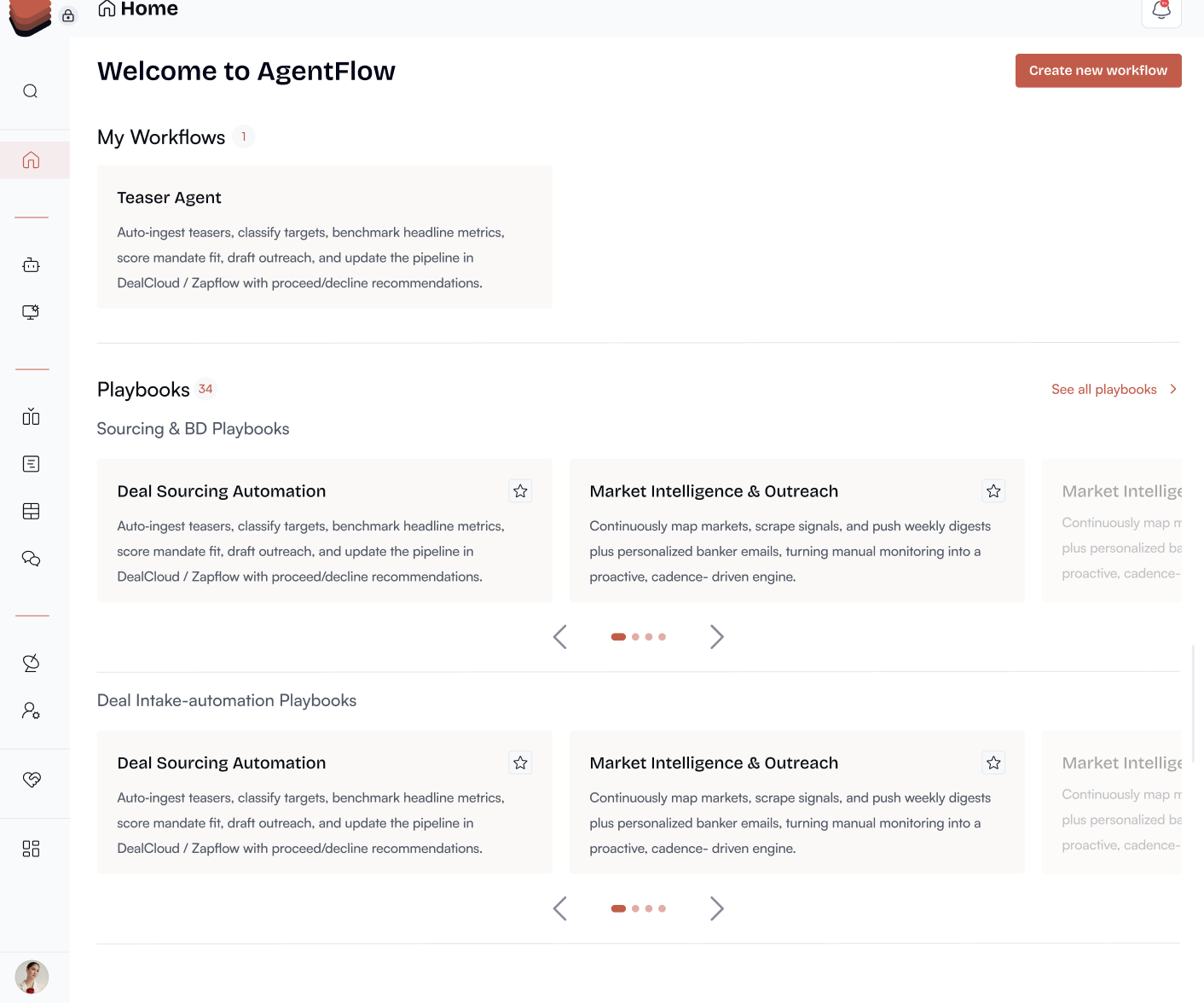
Playbooks replaced tool-centric selling, allowing banks to adopt agentic workflows that mapped directly to familiar processes like loan origination and KYC.
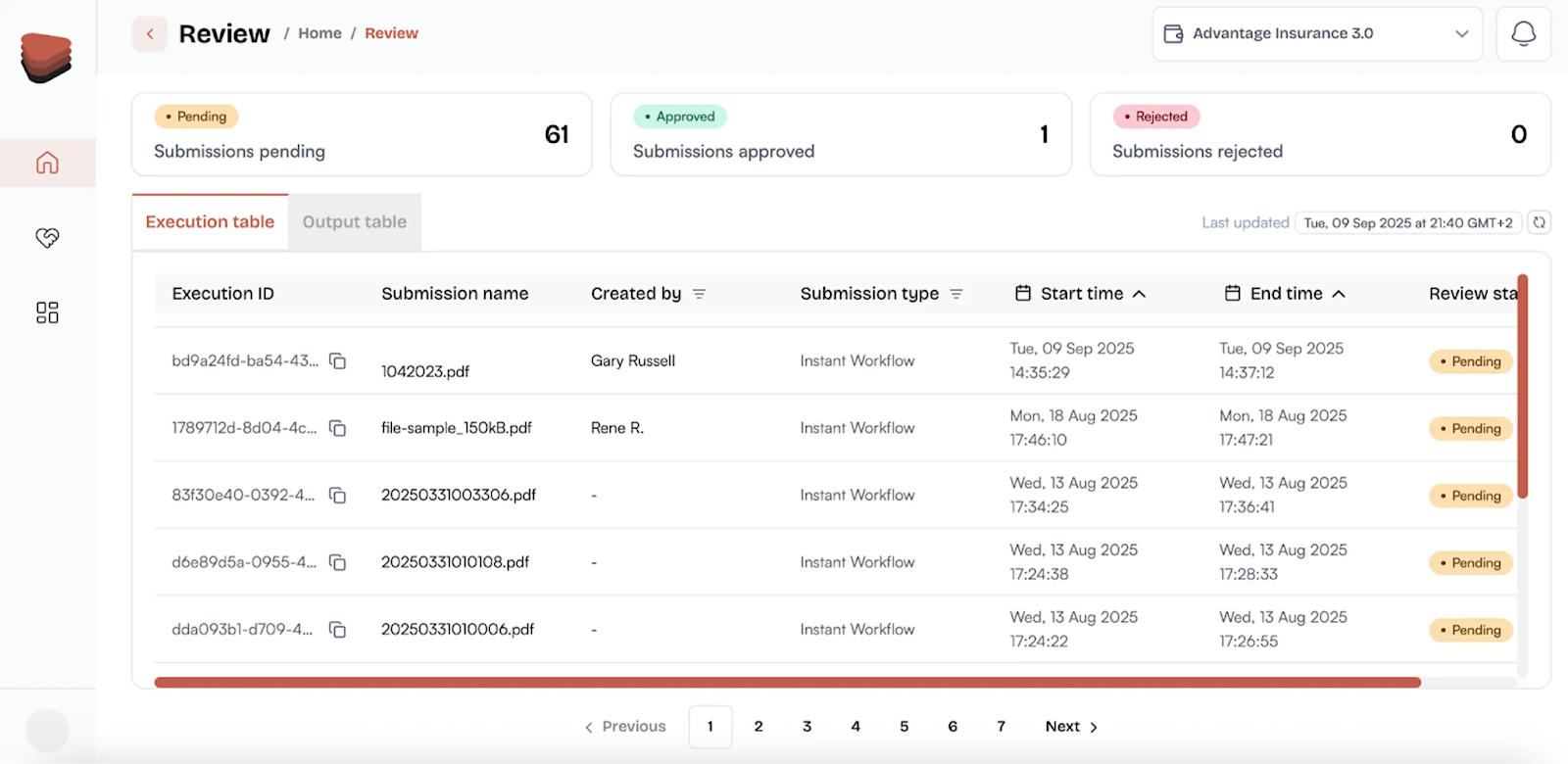
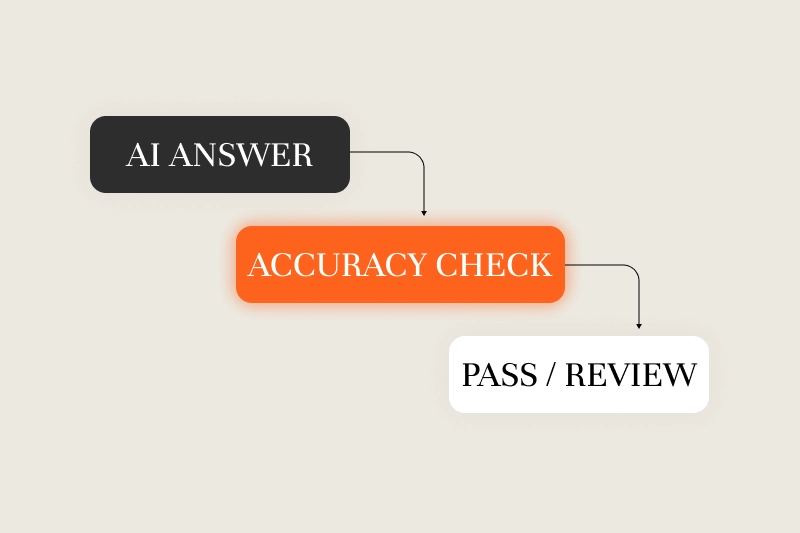
Regulatory trust hinged on auditability, not accuracy—confidence scores, traceable logs, and human checkpoints became essential to deployment.
Institutions used AI to reduce exception fatigue, accelerate decision prep, and preserve tacit knowledge from senior analysts nearing retirement.
AgentFlow’s orchestration layer made AI operational, enabling secure, VPC-deployed workflows that passed procurement and compliance scrutiny.
Get 1% smarter about AI in financial services every week.
Receive weekly micro lessons on agentic AI, our company updates, and tips from our team right in your inbox. Unsubscribe anytime.
Thank you! Your submission has been received!
Oops! Something went wrong while submitting the form.
At the start of 2025, everyone was talking about agents. Autonomous workflows. AI that could make decisions without human involvement. But for those deep inside financial services, risk teams, operations leads, compliance officers, it was clear those predictions missed the mark. Not because the technology wasn’t ready, but because trust moves slower than capability.
The team at Multimodal had a different prediction: AI in finance would go live, but quietly. And it wouldn’t be flashy demos or end-to-end automation. It would be small, incremental workflow wins where the pain was already familiar and the stakes were too high to skip over controls.
Where We Thought Agentic AI Would Land First
Ankur put it bluntly: “We never believed banks would say, ‘Let’s automate credit decisions end-to-end.’ That’s not how regulated industries work.” Instead, the pressure on operations teams, loan origination, underwriting, KYB/KYC, compliance, was the real trigger point. Those teams were drowning in manual document checks, policy chases, and redundant reviews.
This is where AgentFlow started making a difference. Not because it could replace humans, but because it could accelerate work without cutting corners. Workflows like document intake, condition clearing, and decision prep, these became the footholds for real AI adoption.
What We Got Right and What Surprised Us
Our early calls weren’t far off. Structured workflows like loan origination and underwriting were indeed first to adopt agents. But the surprise was in the shape of that adoption.
Instead of pushing for autonomy, institutions prioritized agenticassistance. Ishita described it best: “What actually became most common, and most trusted, was something more incremental and more human.” AI agents started out as copilots, not decision-makers. They surfaced contradictions, flagged missing info, prioritized exceptions and left the final call to humans.
This human-in-the-loop model became the default, especially in high-stakes workflows governed by CECL or IFRS 9. Regulatory clarity didn’t arrive as a memo from the Fed. It arrived as institutional caution: “If this influences a decision, can we defend it later?” That shift made auditability, traceability, and explainability the real battleground for AI adoption.
Playbooks, Not Point Solutions
Mid-year, the pivot became clear. “Selling individual agents felt like selling tools,” Nicholas said. “Buyers had to map product names to their real workflows, and that’s where deals stalled.”
The fix was simple but transformative: orient around workflows, not tools.
That led directly to Playbooks, a library of recognizable, auditable AI workflows that map to how banks already work: loan intake, credit memos, KYC remediation, exception handling. This shift didn’t just speed up sales. It gave customers the confidence to test AI without rethinking their entire process stack.
Confidence, Control, and the Compliance Bar
The AI that won in finance in 2025 didn’t just answer questions. It proved its work.
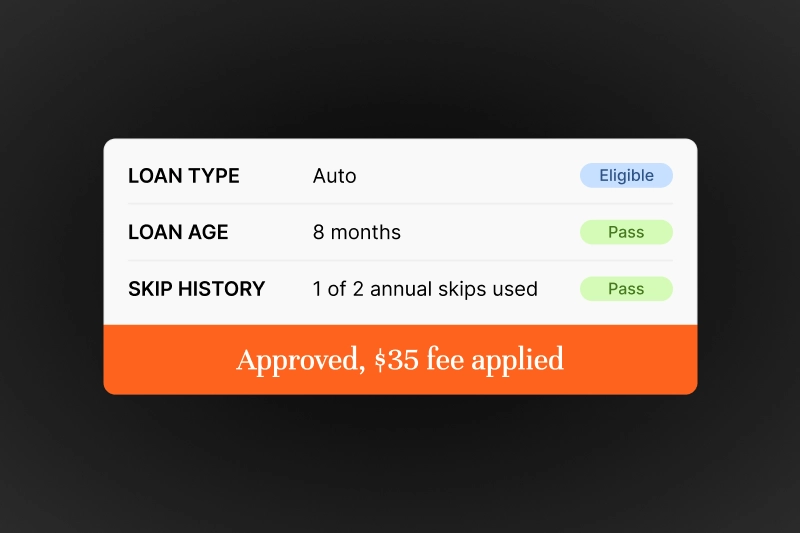
Audit trails, confidence scores, versioned decision logs; these became deal breakers, not nice-to-haves. Nicholas recalled conversations where “the question wasn’t ‘is this accurate,’ it was ‘can you show us what happened, who approved it, and where it got logged?’”
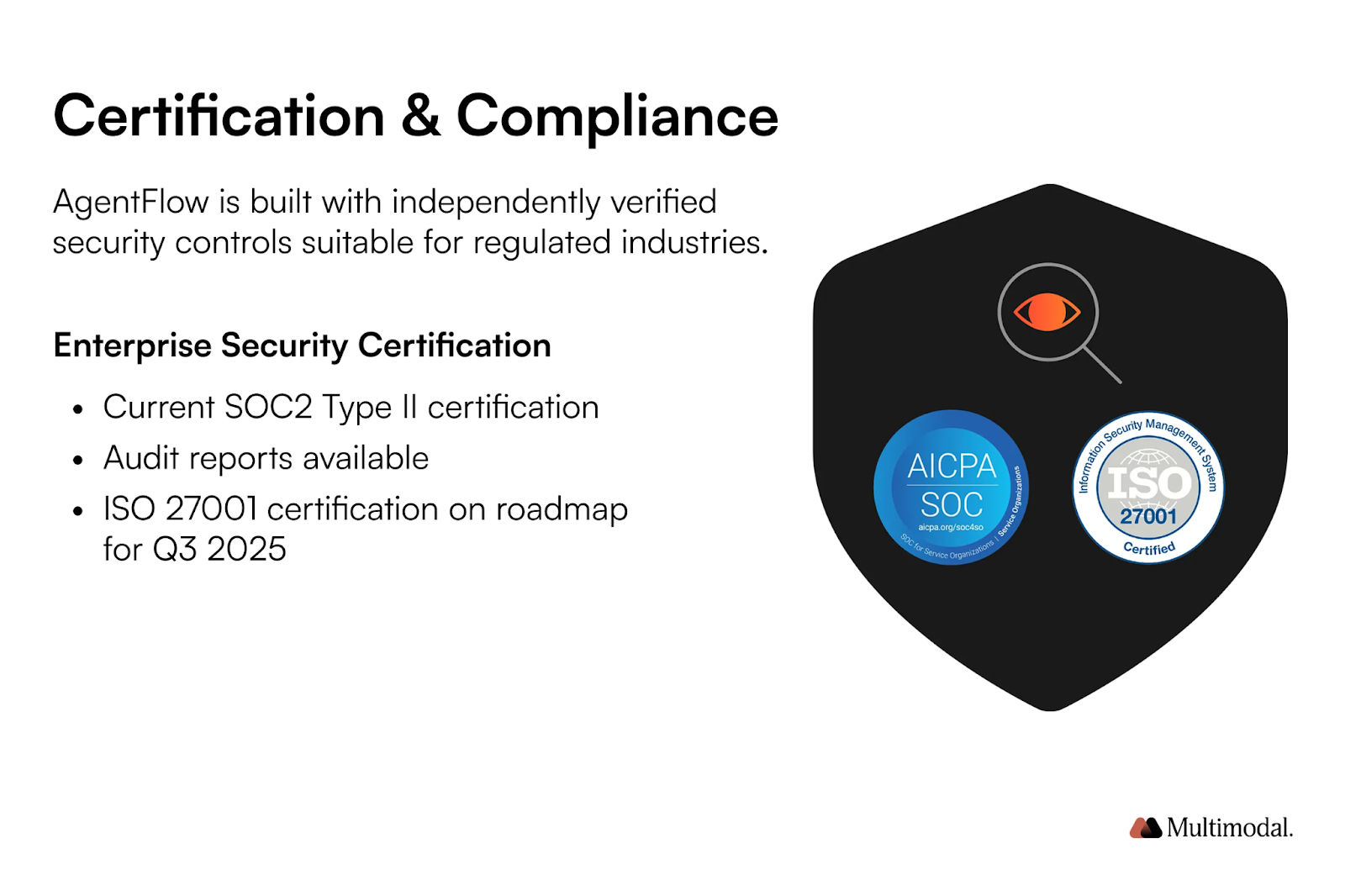
The same story applied to data security. Private VPC deployments, no data exfiltration, and zero third-party risk posture were essential to getting through procurement, especially in mid-sized banks and credit unions.
Institutional Knowledge Became the Real Asset
In the second half of the year, a deeper theme emerged: AI isn’t just about automating tasks. It’s about capturing what senior analysts know before they retire.
Ankur summed it up: “The hardest part wasn’t building the agents. It was capturing tacit judgment; what underwriters do without thinking, but never document.”
We began designing feedback loops to turn agent workflows into knowledge engines. Each deployment wasn’t just an automation win, it became a way to preserve institutional memory.
Looking Back, the Real 2025 Story Was This:
AI didn’t replace analysts. It became their assistant.
The biggest gains weren’t in full autonomy, but in reducing cognitive load and exception fatigue.
Workflow framing became the trust bridge between compliance and technology.
Playbooks turned agentic AI from an R&D project into something business leaders could buy.
And control, not just capability, decided who moved from pilot to production.
Finance didn’t embrace agents because they were smart. It embraced them because they were governable. That’s the line that defined 2025. And it’s why 2026 won’t be about proving AI works. It’ll be about scaling the workflows that already do.

.svg)
.svg)

.avif)
.png)

.png)