HMDA Reporting Software for Banks and Credit Unions
HMDA reporting software for banks and credit unions: capture LAR data at the source, check every field against the loan file, and clear FFIEC edits by March 1.
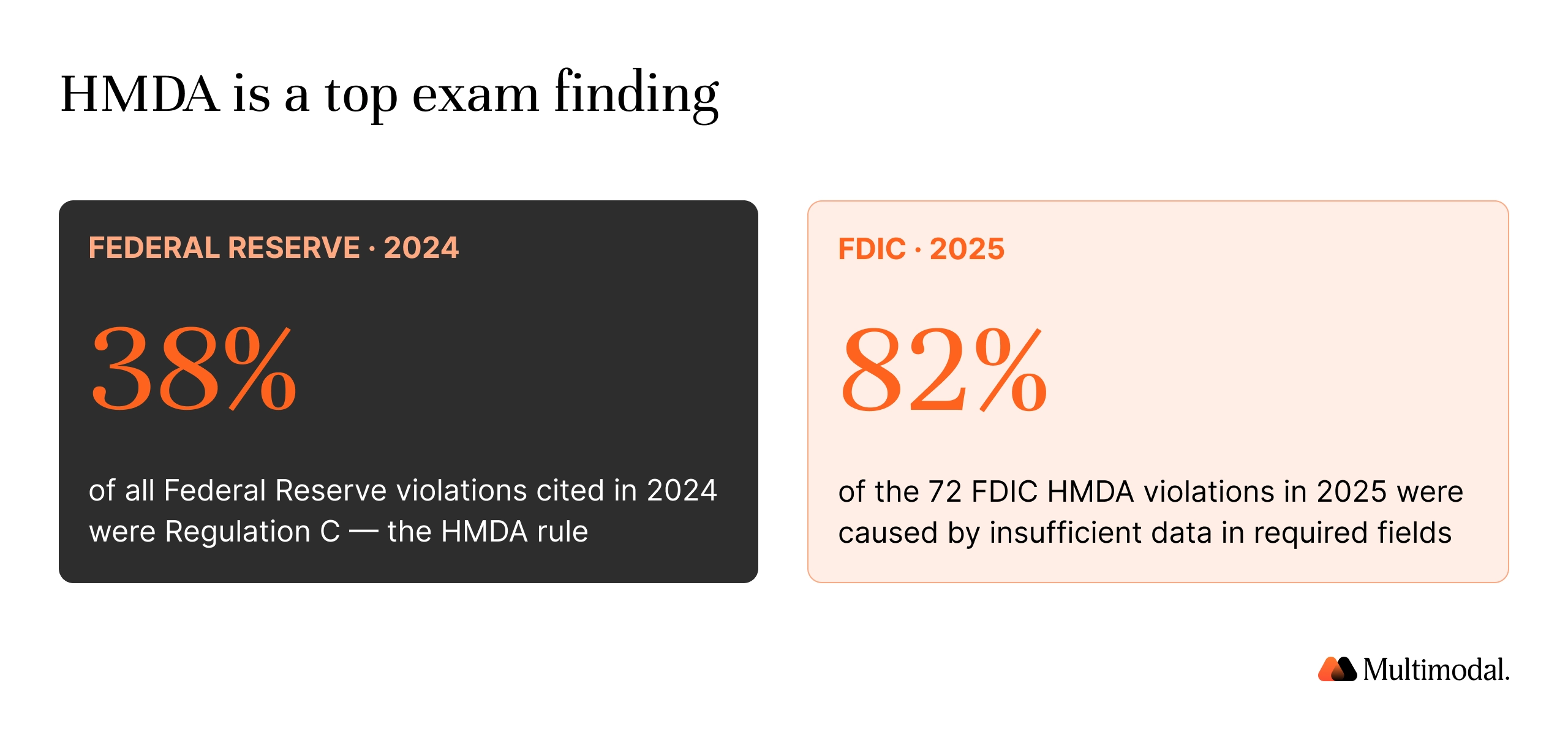
Regulation C accounted for 38% of the violations cited by Federal Reserve examiners in 2024.
The FDIC cited 72 HMDA violations in 2025; 82% involved insufficient data in required fields.
Examiners test LAR entries against loan files, and three errors in a single field can require resubmission.
In 2025, 1,501 NCUA-supervised credit unions filed HMDA data, with a median LAR of 227 rows.
The CFPB estimates HMDA compliance costs a low-complexity lender about $92 per application.
Get 1% smarter about AI in financial services every week.
Receive weekly micro lessons on agentic AI, our company updates, and tips from our team right in your inbox. Unsubscribe anytime.
Thank you! Your submission has been received!
Oops! Something went wrong while submitting the form.
HMDA reporting software collects, validates, and formats the loan/application register (LAR) data that banks and credit unions file under the Home Mortgage Disclosure Act (HMDA) and Regulation C. The software worth paying for goes one step further. It captures each data point as a loan moves through origination and checks every field against the documents in the loan file, long before the FFIEC edit checks run and the March 1 deadline arrives.
Regulation C violations accounted for 38% of the violations cited by Federal Reserve examiners in 2024, and the root causes they identified included manual input errors and weak secondary review. Those manual processes still fill the LAR at many credit union lending teams and community banks.
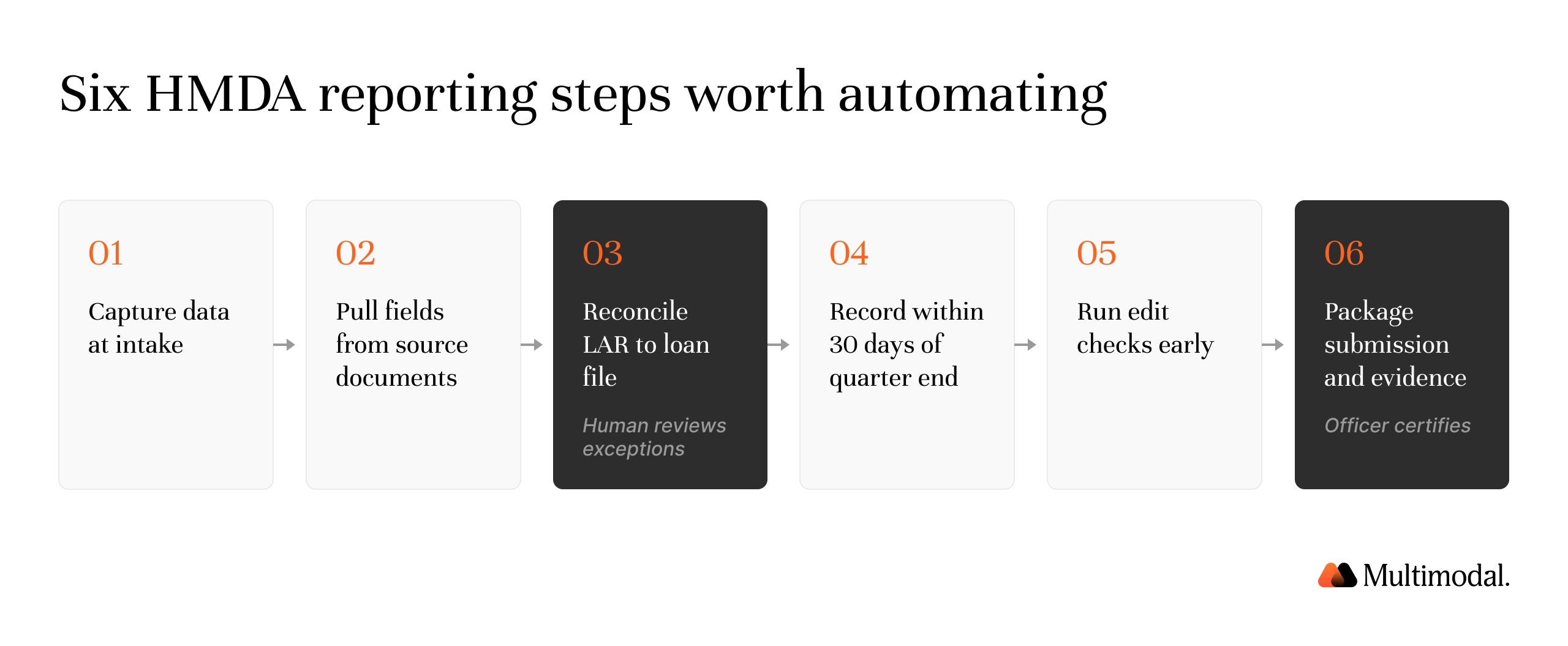
One clarification shapes everything below. The HMDA Platform's edits test your file against itself. Examiners test it against your loan files. This guide covers who reports in 2026, where HMDA data breaks, six steps worth automating, what software should prove to an examiner, and a 90-day plan.
What Is HMDA Reporting and Who Has to File in 2026?
The Home Mortgage Disclosure Act, passed in 1975, "requires many financial institutions to maintain, report, and publicly disclose loan-level information about mortgages," according to the CFPB. The same page explains the purpose: HMDA data "help show whether lenders are serving the housing needs of their communities; they give public officials information that helps them make decisions and policies; and they shed light on lending patterns that could be discriminatory." The public data are modified to protect the privacy of applicants and borrowers.
Regulation C, issued by the CFPB, lists one purpose as helping identify "possible discriminatory lending patterns."
Covered lending institutions collect, report, and publicly disclose data about their mortgage lending activity each calendar year, including borrower race, ethnicity, sex, age, and income; loan amount, purpose, type, and action taken; and location, as summarized by the FDIC. Examiners use that loan data in fair lending and CRA exams, which makes HMDA reporting part of fair lending compliance as much as data reporting.
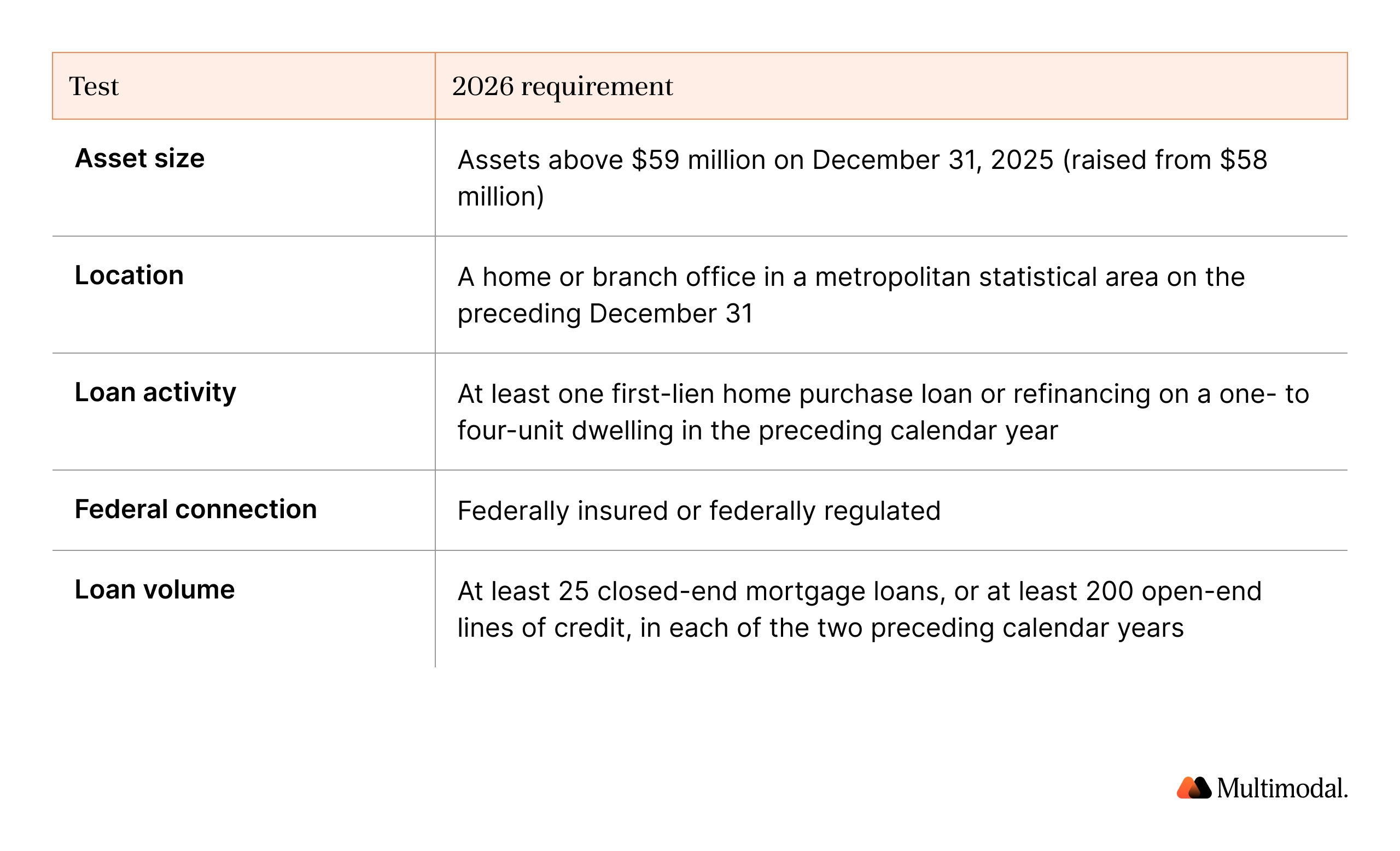
The 2026 HMDA coverage test for banks and credit unions
An institution must meet all five tests. Insured banks and credit unions with fewer than 500 closed-end loans or 500 open-end lines in each of the two prior years may qualify for a partial exemption covering 26 of the 48 data points, subject to a CRA exam condition for banks. For credit unions, open-end volume matters: HELOC programs count toward the 200-line test.
Most credit union LARs are small. In a Multimodal analysis of the FFIEC 2025 transmittal sheet file, 1,501 filers were supervised by NCUA. Half submitted 227 rows or fewer, and 437 submitted fewer than 100. Another 810 bank filers also reported fewer than 100 rows: small files and small teams, with the same 110-field format.
Why Does HMDA Data Still Break at Banks and Credit Unions?
The Federal Reserve's top five cited HMDA fields in 2024 were applicant demographic and income information, property location, action taken and action date, loan purpose, and the universal loan identifier with application date. The FDIC saw the same pattern in 2025: 72 HMDA violations, with 82 percent due to failing to provide sufficient data in required fields.
The structural cause is raw data spread across systems that were never built to feed an LAR: the application, credit report, appraisal, Closing Disclosure, loan origination system, and core. Someone rekeys it into spreadsheets. FFIEC guidelines even tell examiners how to sample when data "are collected through multiple data collection and reporting systems."
A credit union CFO who also oversees compliance described the cost of that kind of reporting work on Multimodal's Main Street AI podcast:
"Reporting is another area... And I think we should not need to spend hours manipulating the data." Youssi Farag, CFO, WEOKIE Federal Credit Union
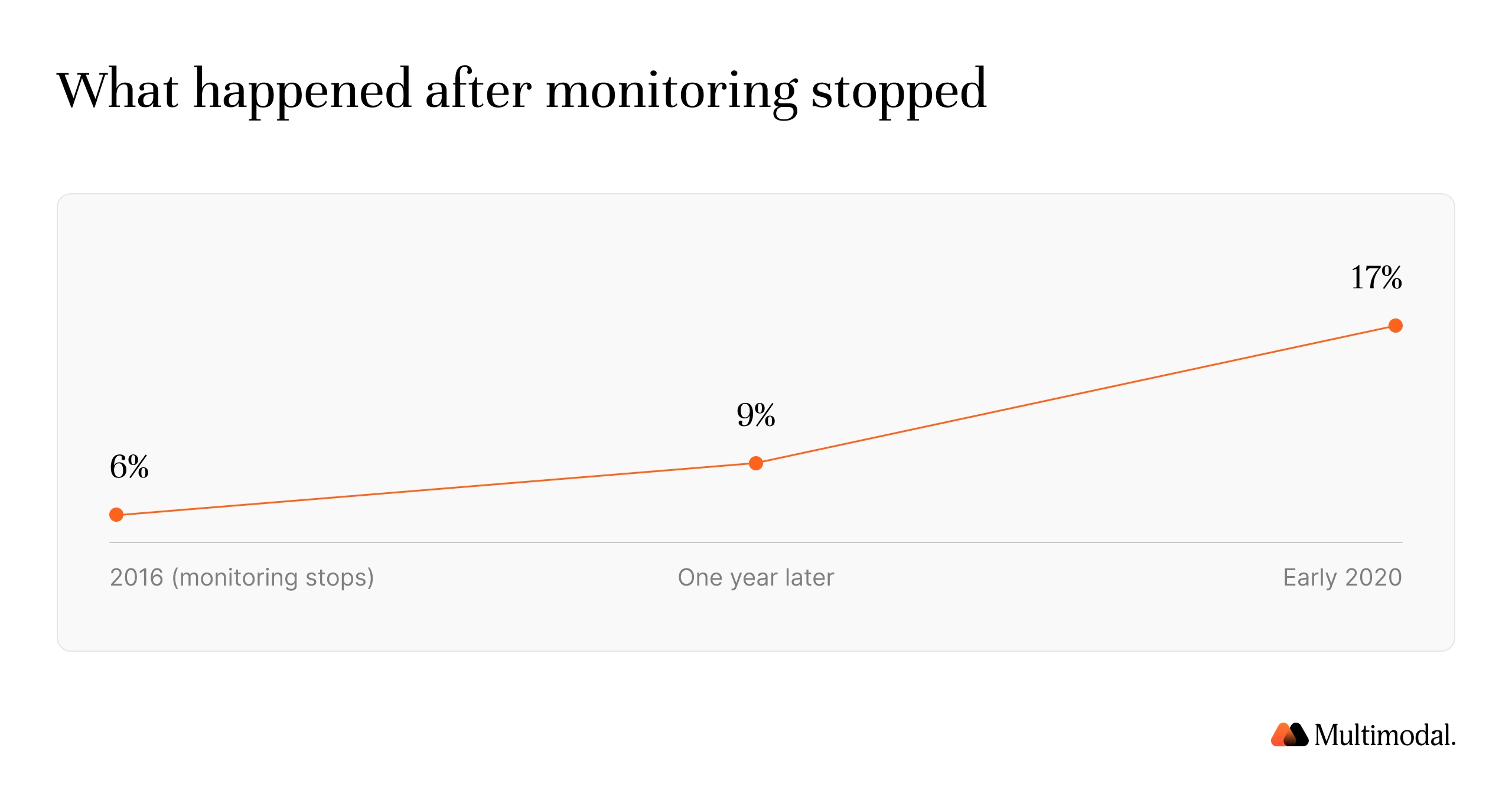
The demographic fields carry the most weight because fair lending analysis runs on them. Bank of America's 2023 CFPB consent order shows how quietly they fail. After the bank stopped monitoring loan officers' "information not provided" rates in 2016, its race-and-ethnicity rate climbed from 6% to 17% by early 2020. The CFPB found loan officers "were not asking applicants for their race, ethnicity, or sex," and the order carried a $12 million penalty.
The Edits Check the File. Examiners Check the Loan.
The FFIEC Filing Instructions Guide (FIG) defines four edit types: syntactical, validity, quality, and macro quality. Syntactical and validity edits must be fixed before the HMDA Platform accepts a submission. Quality and macro quality edits must be confirmed or corrected. Formats are strict: "Application Date must be either a valid date using YYYYMMDD format or NA, and cannot be left blank," per the 2026 FIG. The FFIEC publishes a FIG for each collection year, so software needs regular updates even when fields do not change, as in 2026.
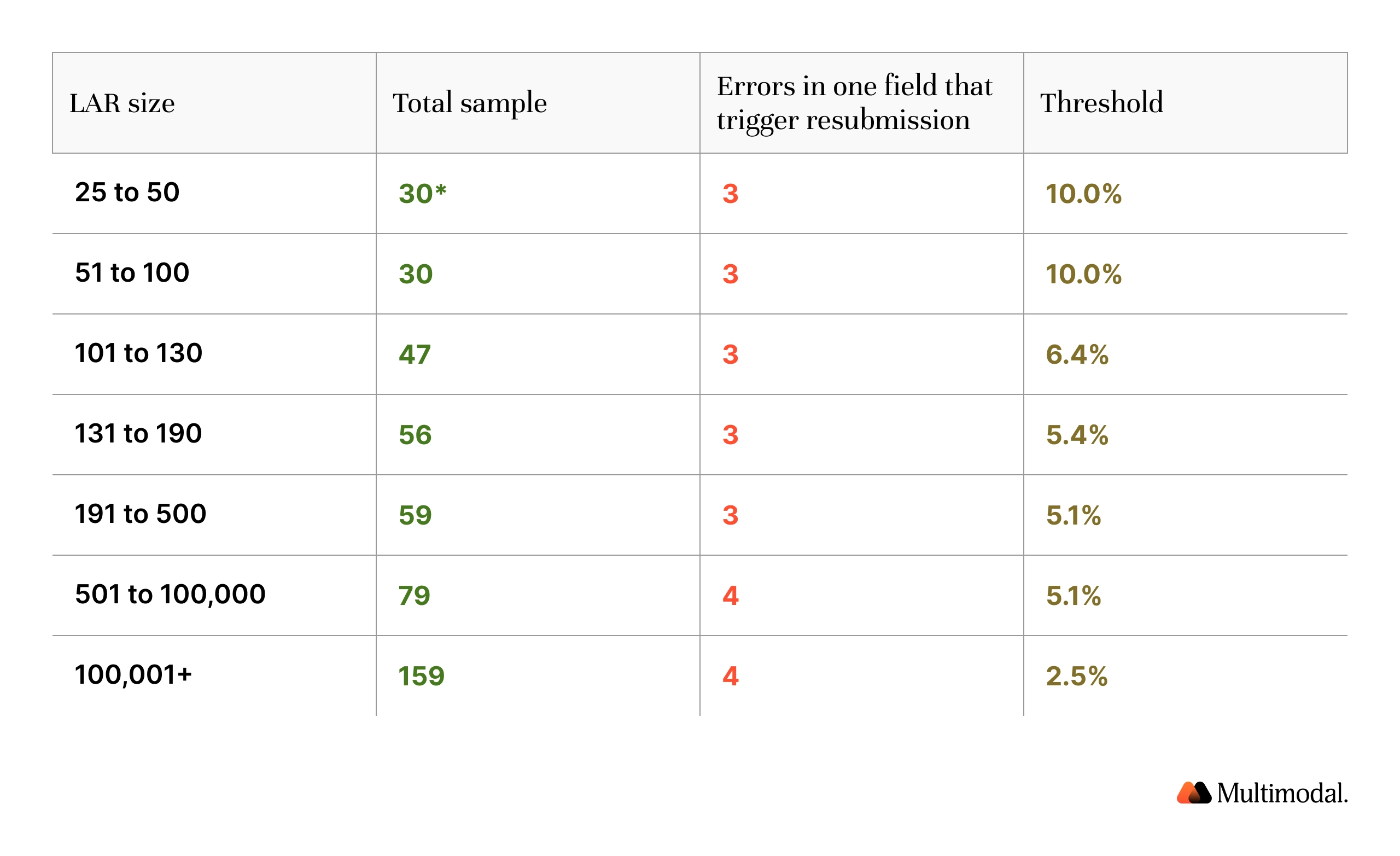
A file can clear every edit and still misstate the loan file. During the on-site exam, examiners pull a random LAR sample, request the matching files, and "verify the accuracy of the data in the entries in the HMDA LAR sample(s) against the corresponding loan files." If errors in any single field reach the threshold below, the institution corrects that field across its full LAR and resubmits.
FFIEC HMDA resubmission thresholds
Examiners do not count differences of three calendar days or less on application and action dates, $1,000 or less on loan amount, or income rounding. Examiners can also order resubmission below the threshold when errors make the data unreliable, such as withdrawn applications coded as denials, and can direct changes to policies, procedures, and audits.
Enforcement reaches lenders of every size. The CFPB found 51 errors in an initial review of 159 files from Freedom Mortgage's 2020 submission, and the correction touched over 174,000 entries; a $3.95 million penalty followed in 2024. Washington Federal paid $200,000 for inaccurate data from 2016 and 2017. And the FDIC ordered Spring Valley Bank in Wyoming, Ohio, to pay $19,800 for a pattern or practice of HMDA violations in November 2024.
The Six HMDA Reporting Steps Worth Automating
1. Capture demographic and application data at intake
Record demographic responses, the application date, and the universal loan identifier when the application arrives, then monitor "not provided" rates by loan officer every month.
2. Pull each field from the source document
Take the loan amount and terms from the note or Closing Disclosure, the income from the underwriting documents relied on, and the property address from the appraisal. Automated data import from the loan origination system and intelligent document processing on the file itself remove the rekeying step the Federal Reserve ties to manual input errors.
3. Reconcile the LAR against the loan file continuously
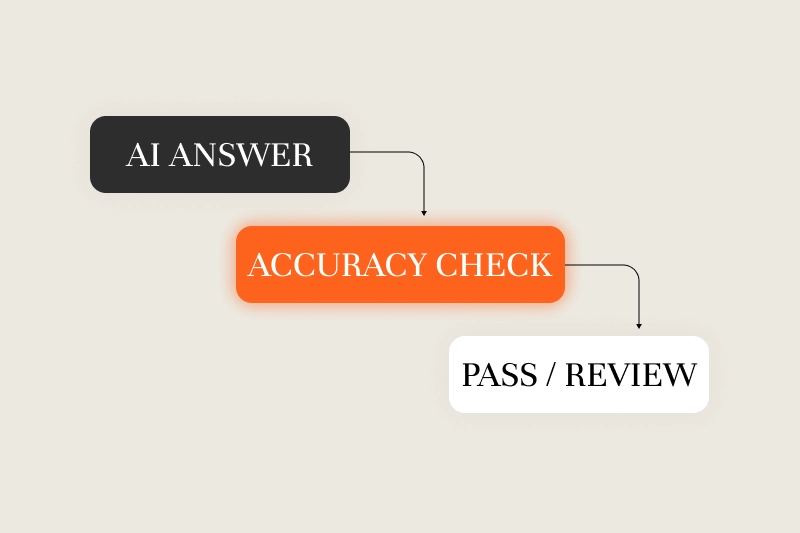
Run the examiner's test on every file. Apply the FFIEC tolerances so the queue shows only real mismatches, and route each exception to your HMDA specialists with the source page attached. This is where AI-assisted loan file review earns its place, and where a person stays in the loop.
4. Record within 30 days of each quarter end
Regulation C requires LAR entries within 30 calendar days after the end of the calendar quarter in which final action is taken. Automation makes four smaller quarterly reviews more efficient than one year-end scramble. Institutions that reported at least 60,000 covered loans and applications also submit quarterly reports within 60 days of each quarter, except for the fourth quarter.
5. Run edit checks early and document every confirmation
Geocode every property to its census tract, a most-cited field, and run edit checks as data arrives. Validation tools flag exceptions before the deadline and reduce reliance on manual spreadsheet checks. Record why each quality edit was confirmed. Institutions without vendor software can use the FFIEC's free Excel LAR Formatting Tool.
6. Package the submission and the evidence trail together
Submit by March 1. Regulation C requires that "an authorized representative of the financial institution with knowledge of the data submitted" certify its accuracy and completeness, and that the LAR be kept for at least three years. Keep a summary of exceptions and, for every field, a pointer to the page it came from. That is exam-ready evidence.
What Should HMDA Reporting Software Prove to an Examiner?
Accountability stays with the institution. An authorized officer certifies the submission, and examiners judge the compliance management system behind it. Effective HMDA reporting software supports audit readiness with examiner-ready reports that show, for any field, the source document, who reviewed each exception, and what changed if a value was corrected.
"The human-in-the-loop piece is critical. Critical. You can't reiterate that enough when it comes to the regulators." A head of operations at a community bank, in Multimodal's 2026 Field Report
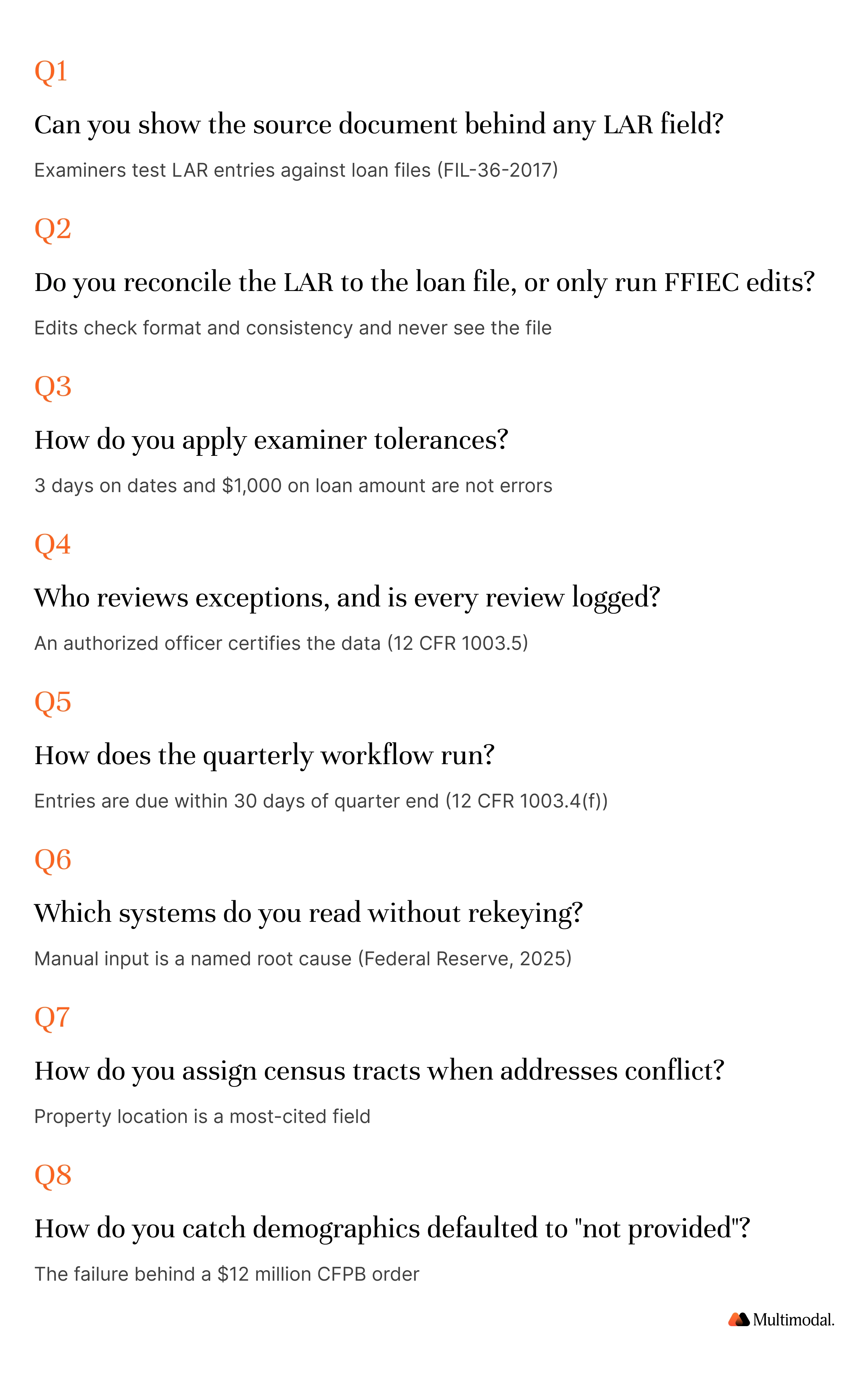
Before signing with software companies or outsourced HMDA services, ask these questions.
Questions to ask any HMDA reporting software vendor
Some HMDA reporting software also offers advanced analytics, including regression analysis to control for credit factors such as income and credit score and analyze lending patterns for fair lending risk. The benefit of those insights depends on the data underneath. Our guides to explainable AI in lending, NCUA AI guidance, and monitoring AI accuracy cover what regulators expect from the models themselves.
What Does HMDA Compliance Cost When It Is Done by Hand?
The smallest lenders pay the most per application. Their resources go into hours of review that large mortgage lenders spread across tens of thousands of loans.
Relief may come, but it has not arrived. Executive Order 14393 (March 2026) directs the CFPB to consider proposing changes to Regulation C, including a higher asset threshold for smaller banks and reduced burden from "insufficiently tailored, expensive, and complex software and training." As of September 2026, no proposed or final HMDA rule has followed beyond the annual threshold adjustment. For the broader tool landscape, see our list of AI tools for banking compliance.
How Do You Run the First 90 Days?
Weeks 1 to 3, baseline. Pull last year's LAR and exam findings, self-test a sample sized with the FFIEC table, and count errors by field.
Weeks 4 to 8, shadow run. Run automated extraction and reconciliation on current-quarter files alongside your existing process, giving reviewers read access to both, and compare exceptions.
Weeks 9 to 12, first live quarter. Q3 2026 closes September 30, so the 30-day recording window ends October 30. Use it as the first live cycle, with human review only for exceptions and the evidence trail kept from day one. Data for calendar year 2026 is due March 1, 2027.
The LAR Is Only as Good as the File Behind It
Clean edits prove the file is formatted. The examiner's sample determines whether the data is correct, and it is drawn from your loan files. HMDA reporting software earns its cost when it runs that test on every loan, every quarter, and leaves a quality control trail your team can hand over with confidence.
Send us a redacted loan file and last year's LAR. We will run the file through AgentFlow and show you, field by field, where the LAR and the file disagree. Your files, your numbers.
See Where Your LAR and Loan Files Disagree
Send us one quarter of redacted loan files. We will check every HMDA field against the source documents and show you which fields would not hold up in an examiner's sample, before you commit to anything.
HMDA reporting software collects, validates, geocodes, and formats LAR data so banks and credit unions can submit data under the Home Mortgage Disclosure Act and disclose information accurately. Stronger tools also import data from the loan origination system, reconcile fields with the loan file, and flag exceptions.
Do credit unions have to report HMDA data?
Yes, if they meet every coverage test. For 2026, that means assets above $59 million, an office in an MSA, at least one first-lien home purchase loan or refinancing, federal insurance, and at least 25 closed-end loans or 200 open-end lines in each of the two prior years.
When is the HMDA filing deadline for 2026 data?
March 1, 2027. Institutions must also record LAR entries within 30 calendar days after each quarter ends. Lenders that reported at least 60,000 covered loans and applications also submit data quarterly, within 60 days of the end of the first three quarters.
Did HMDA reporting requirements change in 2026?
Only slightly. The asset threshold rose to $59 million, and the data fields stayed the same. Executive Order 14393 directs the CFPB to consider changes to Regulation C, but no proposed or final rule had been issued as of September 2026.
Can AI file HMDA data without human review?
No. An authorized representative must certify the submission's accuracy and completeness, and exceptions require a person's judgment. AI can extract fields from loan documents and reconcile them with the LAR, leaving reviewers with a shorter, better-documented exception queue.
Do small credit unions need HMDA reporting software?
No rule requires it. The FFIEC offers a free Excel LAR Formatting Tool for institutions without vendor software. The case for software rests on accuracy under examiner sampling and on cost, since the CFPB estimates the smallest lenders pay the most per application.

.svg)
.svg)

.avif)
.png)

.png)